A Blueprint for Executive Health
For centuries, the Japanese onsen (natural geothermal hot spring) has served as a sanctuary for healing, purification, and recovery. Rooted in the volcanically active Pacific Ring of Fire, these mineral-rich waters have shaped Japanese wellness culture for over 3,000 years, with iconic sites like Dogo Onsen tracing their origins back to ancient imperial history. Today, what was once a ritualistic retreat for samurai and emperors has evolved into a vital therapeutic tool for modern corporate leaders.
Reversing Executive Burnout and Boosting Circulation
Corporate leadership demands prolonged mental focus, heavy travel schedules, and high stress—factors that trigger chronic inflammation, poor posture, and elevated cortisol levels. Onsens combat this through a potent combination of thermal, hydrostatic, and pharmacological effects. Immersing the body in geothermally heated water increases core body temperature, dilating blood vessels and significantly improving blood circulation and oxygen flow.
Water enriched with carbon dioxide or hydrogen sulfide is particularly effective at reducing hypertension (high blood pressure) and easing the cardiovascular strain brought on by executive stress. Furthermore, hydrostatic water pressure applies a gentle compression to the lower extremities, acting as a natural pump that aids venous return and relieves muscle tension from long hours of sedentary desk work.
Advanced Skin Benefits
Beyond internal health, the unique mineral compositions offer profound dermatological advantages. Onsens containing high concentrations of silica and sodium bicarbonateact as natural emulsifiers, softening the skin and clearing pores to leave a smooth, healthy complexion. For executives battling the drying effects of frequent flights, springs rich in sulfur and calcium are highly beneficial. Sulfur has well-documented anti-inflammatory properties that help soothe dry skin conditions like chronic dermatitis, eczema, and psoriasis, rejuvenating the corporate traveler’s appearance.
The Corporate Routine: How Often Do Executives Visit?
In Japan, visiting an onsen is not viewed as a rare luxury, but as an essential maintenance routine. High-level Japanese executives routinely incorporate toji (onsen therapy) into their lifestyle. Many visit onsen resorts or urban day-use facilities at least once or twice a month, using weekend getaways to disconnect entirely from digital devices. During seasonal holidays, it is customary for executives to book a ryokan (traditional inn) for a 3-to-5-day retreat to fully reset their metabolic and nervous systems.
Japan’s Premier Onsen Towns
To experience the true pinnacle of hot spring therapy, executives and travelers frequent dedicated hot spring villages. Here are six of the most celebrated onsen towns in Japan:
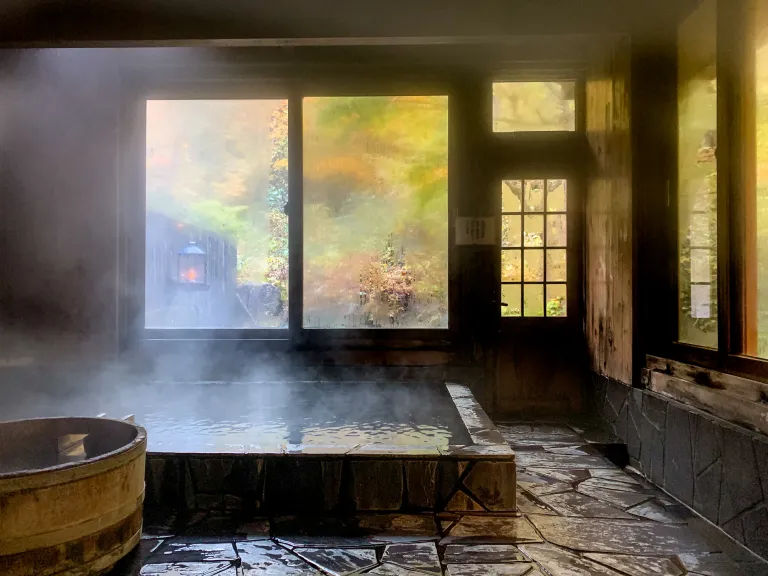
Kusatsu Onsen (Gunma) Consistently ranked as the top hot spring destination in Japan. It features highly acidic, anti-bacterial waters powered by the dramatic Yubatake (water field) at the town’s center.
Hakone Onsen (Kanagawa) The premier retreat near Tokyo, offering stunning mountain scenery, a wide variety of spring qualities, and exceptional high-end corporate accessibility.

Kinosaki Onsen (Hyogo) A wonderfully preserved, 1,300-year-old town built along a willow-lined canal. It is famous for its tradition of strolling between seven historic public bathhouses in a yukata (cotton robe).

Kurokawa Onsen (Kumamoto) Tucked away in the valleys of Kyushu, this town enforces a strict architectural aesthetic. Its beautiful wooden ryokans and outdoor rotenburo blend flawlessly into the forested riverside.
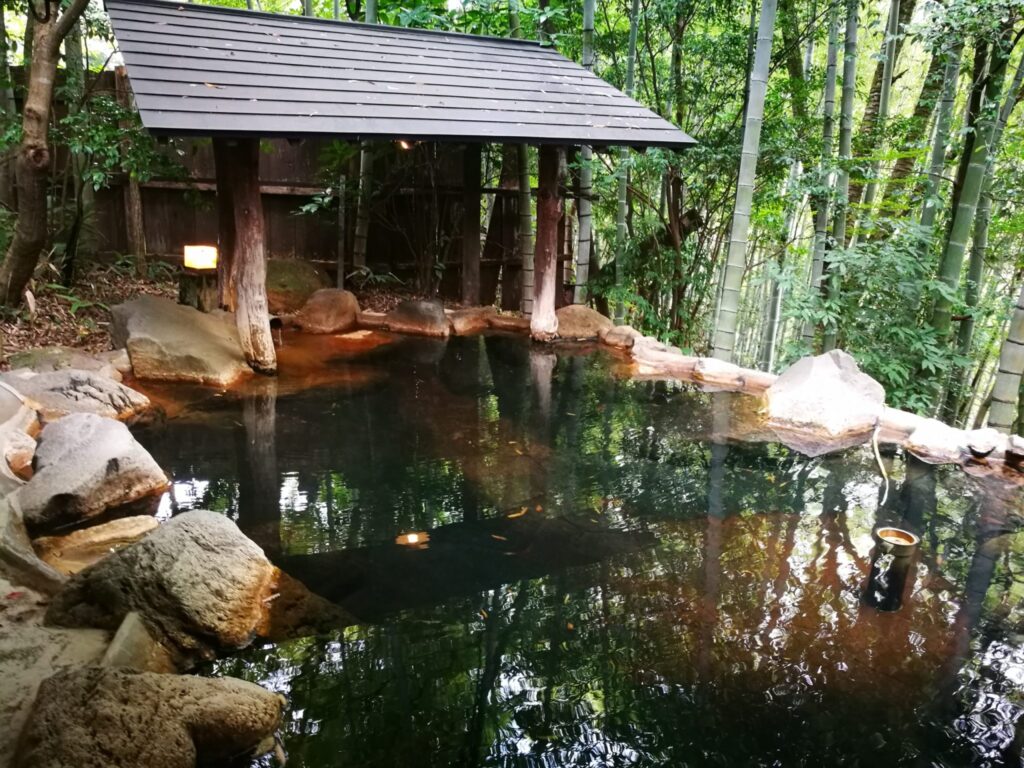
Ginzan Onsen (Yamagata) A secluded, breath-taking alpine valley lined with Taisho-era multi-story wooden inns. It is exceptionally magical during the winter when gas lamps illuminate the heavy snowfall.

Noboribetsu Onsen (Hokkaido) Hokkaido’s premier hot spring destination, famous for the dramatic volcanic steam of Jigokudani(Hell Valley). It yields eleven distinct water types rich in sulfur, iron, and salt.
Top 5 Elite Onsen Resorts in Japan
For executives seeking unparalleled privacy, tailored kaiseki dining, and high-end restorative facilities, these properties represent the absolute gold standard of slow luxury:

Nishimuraya Honkan (Kinosaki Onsen)
4.6 (738)
5-star hotel
With over 165 years of history, this iconic estate delivers master-class Sukiya-style architecture, private landscaped Zen gardens, and elite regional dining showcasing Tajima wagyu beef and fresh Matsuba snow crab.

Takaragawa Onsen Osenkaku (Gunma)
4.1 (3.1K)
3-star hotel
World-renowned for its massive, free-flowing riverside outdoor hot springs. It provides a completely raw and authentic immersion into nature beneath the canopy of the Gunma wilderness.

Hoshino Resorts KAI Kirishima (Kagoshima)
THB 21,510
4.2 (681)
4-star hotel
A striking contemporary luxury resort perched on the slopes of Mount Takachiho. It offers panoramic open-air bathing directly facing the majestic, active volcanic peaks of southern Kyushu.

Hakone Yuryo (Kanagawa)
4.3 (5.6K)
Day-use onsen
The ideal executive day-trip retreat nestled in deep forests just 90 minutes from Tokyo. It features 19 premium private open-air villas and an excellent traditional hearth-grilled charcoal restaurant.

Arima Onsen Taketoritei Maruyama (Kobe)
THB 33,397
4.5 (519)
5-star hotel
Tucked away in one of Japan’s oldest hidden hot spring villages. It provides private access to both the famous iron-rich Kinsen (Gold Spring) and the clear, radium-rich Ginsen (Silver Spring) for comprehensive therapeutic recovery.
Regional Access: From Sendai to Latin America
Fortunately, this thermal therapeutic experience is highly accessible both within northeastern Japan and across the globe:
Sendai, Japan: Sendai is a magnificent hub for hot springs. Just 30 minutes outside downtown Sendai lie the historic resort towns of Akiu Onsen and Sakunami Onsen. Akiu boasts a 1,500-year history and features exceptional chloride-rich waters renowned for skin-healing properties.
Latin America: True volcanic hot springs are abundant along Latin America’s own geothermal corridors. Countries like Costa Rica (around the Arenal Volcano) and Chile (such as the famous Termas Geométricas) feature world-class natural thermal pools. Many of these eco-luxury resorts have actively adopted Japanese structural designs and soaking protocols, bringing the physical and mental benefits of onsen culture to the Western Hemisphere.